

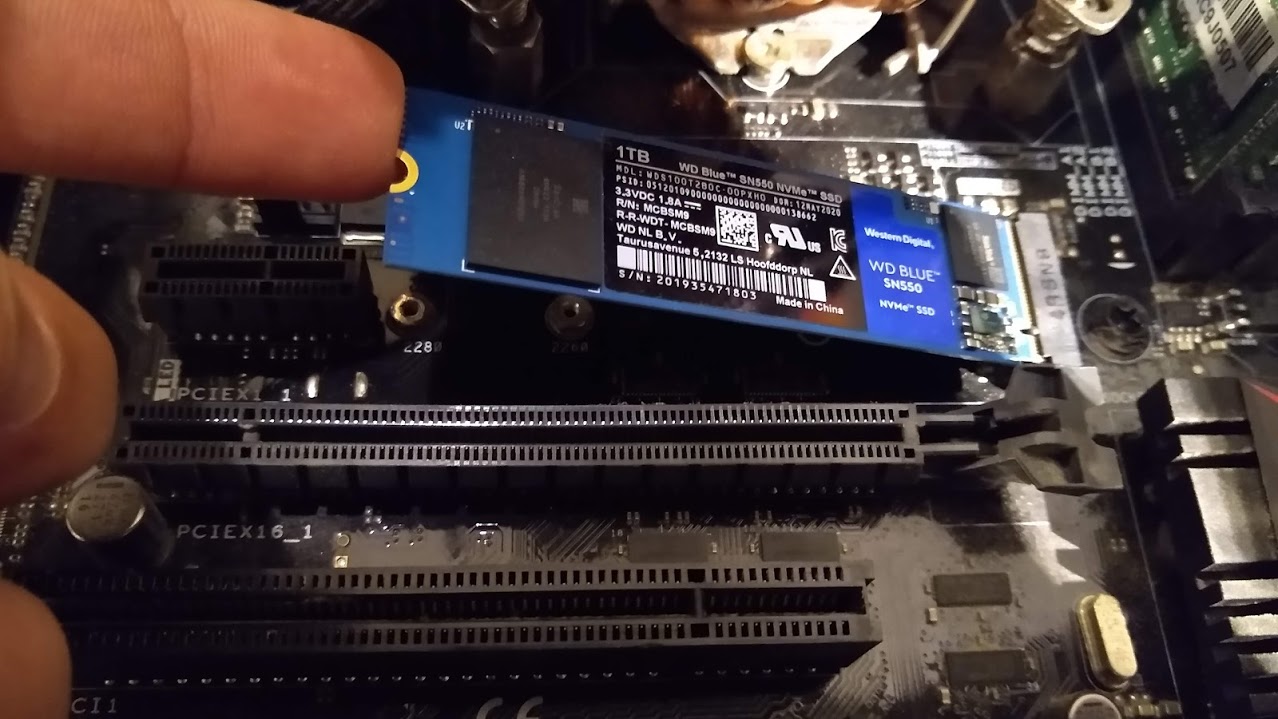
The Hidden Truth About “Native” NVMe on Windows
Windows has supported NVMe since Windows 7 SP1 / Server 2008 R2 SP1, via Microsoft’s StorNVMe driver. While this allowed NVMe drives to work out of the box, it came with a limitation most users never saw:
NVMe was still being forced through a legacy SCSI-based storage model.
Internally, Windows translated NVMe requests into SCSI abstractions before sending them to the drive. For years, NVMe SSDs were fast enough that this overhead didn’t matter. But as modern drives push higher queue depths, massive parallelism, and lower latency, that translation layer has become a bottleneck—especially in server and high-end desktop workloads.